

Rethinking Hair as Fiber, Scalp as Living Tissue
By Romina Manenti
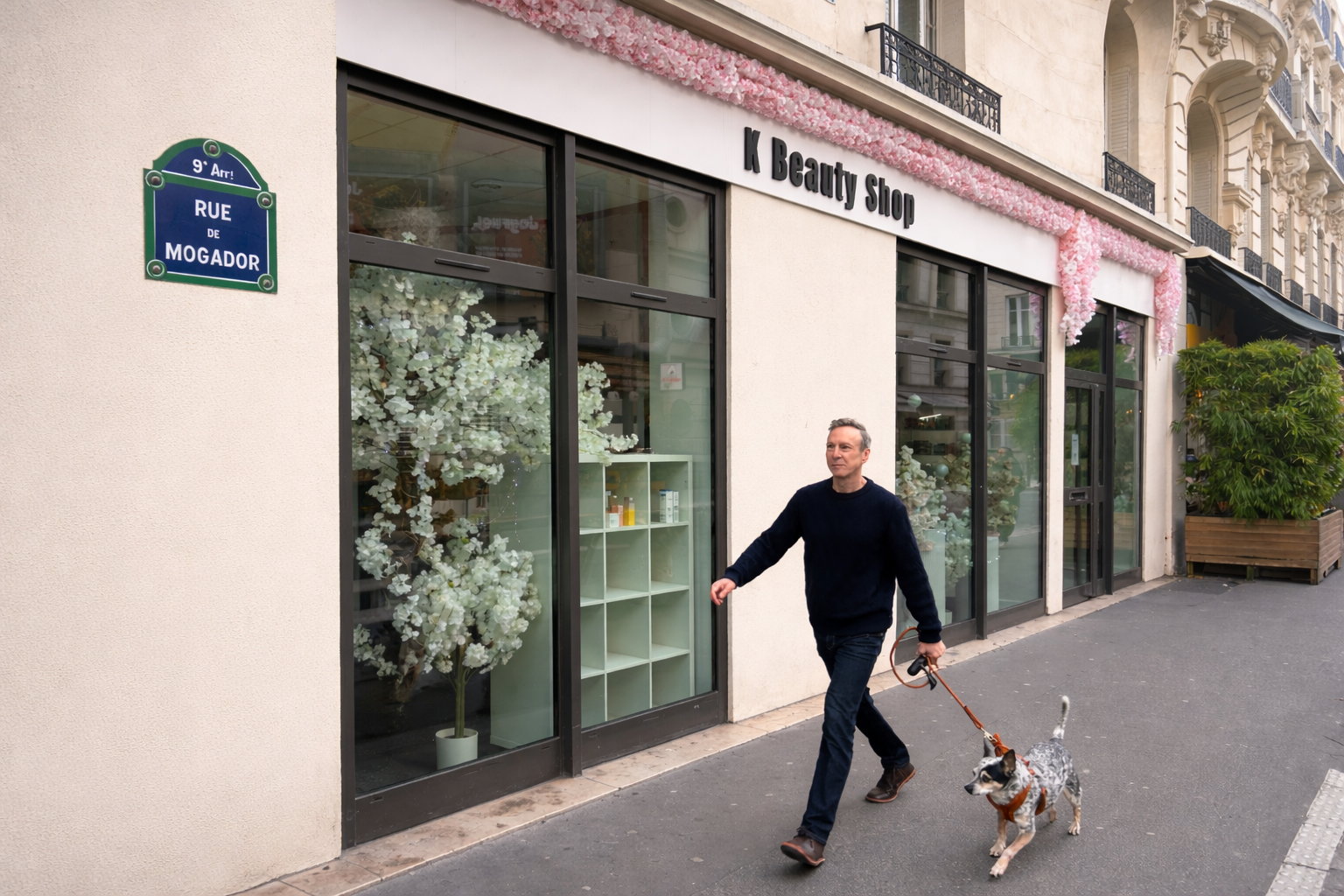
Working between New York and Paris, at the intersection of hairstyling and product development, I find it difficult to remain indifferent—or unimpressed—by the steady rise of K-Beauty across U.S. and French shelves. While the conversation most often centers on skincare, its influence on haircare is, to me, equally revealing—and perhaps even more instructive for professionals.
What I find most compelling is not only what K-Beauty offers, but how it establishes itself within foreign markets. After testing several products firsthand, what stands out is the ease of use, the clarity of application, and a sensorial experience that delivers a genuine sense of luxury. This notion of accessible luxury—premium without being exclusionary—has, in my view, played a decisive role in K-Beauty’s global adoption.
Observing this evolution more closely, I found myself returning to a series of fundamental questions—questions that go beyond trends or launches, and instead speak to structure, methodology, and long-term impact. The reflections that follow are shaped by that inquiry, and by the answers I believe are worth sharing.
1. When did K‑Beauty begin, and when did it enter the Western world?
Even if K-Beauty’s rise may appear recent—particularly in the post-Covid years—it did not emerge suddenly, nor was it born as a global trend. Its foundations were laid in South Korea in the late 1990s and early 2000s, supported by sustained domestic investment in cosmetic research and development, dermatological science, and a highly educated consumer base that approached daily care as a long-term discipline rather than a quick fix.
I remember working on skincare and makeup campaigns in 2016, when makeup artists would hand me a Laneige lip balm, describing it as a game-changer. At the time, I was not attentive enough to fully grasp the message behind it. Only later—through use, observation, and comparison—did I begin to recognize the difference and the level of formulation quality that would eventually come to define the category.
Initially, Western attention focused almost exclusively on skincare. Haircare entered more discreetly, often through less competitive segments of the Western market, with a particular emphasis on the scalp.
What I find compelling, in an overwhelming and saturated industry, is how K-Beauty entered the West through consistency, discipline, and results—gradually reshaping expectations rather than confronting them directly.
2. Why doesn’t K‑Beauty categorize products by age?
Recently, the number of brands that categorize ingredient benefits by age has become increasingly visible, often identifying a perceived problem and mapping the same solution to individuals grouped within the same age range.
One of the defining characteristics of K-Beauty—across both skincare and haircare—is its deliberate decision not to segment products by age. Rather than treating aging as a problem to correct, K-Beauty approaches care through function, balance, and resilience. The focus is placed on how skin, scalp, and hair behave, not on the number of years associated with the person using the product.
Applied to haircare, the objective is not to promise “young hair,” but to support scalp vitality, fiber elasticity, hydration, and structural strength, while maintaining tolerance to environmental, mechanical, and chemical stress. By avoiding age-based categories, K-Beauty moves away from fear-driven narratives and toward maintenance, prevention, and long-term performance. The emphasis shifts from age as a marketing label to condition as a point of care.
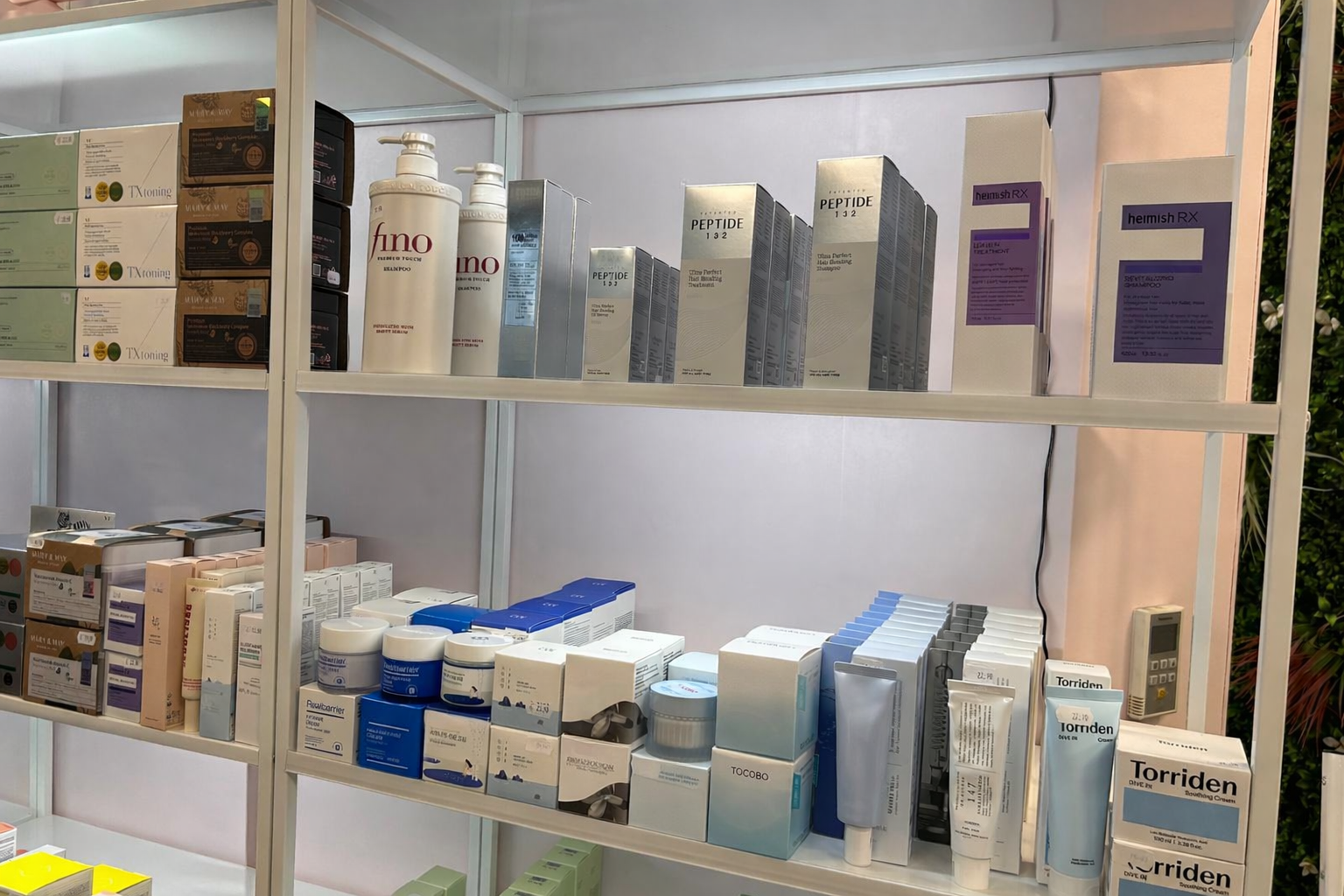
3. How K‑Beauty approaches haircare differently
In Western haircare, relatively few brands have historically offered dedicated scalp treatment products—a gap that may be partly rooted in a cultural tendency to prioritize intervention only when discomfort or visible symptoms arise.
K‑Beauty takes a noticeably different approach from traditional Western cosmetic logic—one that prioritizes biology and structure over immediate cosmetic correction. Rather than centering shine, smoothness, or styling hold as primary objectives, it reframes haircare around the health of the scalp and the integrity of the fiber.
The scalp is treated as living skin, not merely a support system, while the hair fiber is respected as a material with limits rather than something to be forced into submission. Instead of masking damage, K‑Beauty haircare prioritizes scalp balance and comfort, gentle cleansing with respect for pH, hydration and flexibility of the fiber, and long‑term tolerance over instant transformation.
4. Is K‑Beauty closing the gap between hair types?
On Western retail shelves, haircare is fragmented into an ever-expanding number of categories and subcategories—fine or coarse, color-treated or natural, straight, wavy (2A–2C), or curly (3A–3C) etc... In some cases, brands go even further, offering customized shampoos and conditioners based on digital questionnaires or hair analysis.
K‑Beauty does not attempt to standardize hair into a single ideal texture or aesthetic. Instead, it approaches hair as fiber with universal needs: hydration, elasticity, protection, and resilience, along with the fiber’s capacity for absorption, integration, and rejection.
By focusing on fiber integrity and scalp health rather than texture, ethnicity, or aesthetic norms, K‑Beauty indirectly reduces historical bias that favored certain hair types—often straight, fine, or lightly textured—as the default reference. While early formulations naturally aligned better with finer hair structures common in East Asia, the underlying philosophy of care before control created a framework capable of evolution rather than exclusion.
5. How can K‑Beauty hair products be suitable for all hair types?
After decades of research and testing, it would be reductive to claim that K-Beauty haircare is universally suitable for every hair type without distinction. A professional assessment must remain precise. K-Beauty haircare excels in adaptability, not universality. Its lightweight formulations, layered routines, and scalp-first logic make it particularly effective for sensitive or reactive scalps, fine to medium hair seeking movement without weight, and hair compromised by over-cleansing or aggressive styling practices.
At the same time, without proper diagnosis and adjustment, these same formulations may feel insufficient for very coarse or highly textured hair, hair requiring significant lipid replenishment, or fibers that are severely damaged or chemically over-processed. The key lies in understanding that K-Beauty haircare is modular. It is designed to be adapted through layering, complementary products, and professional judgment—rather than applied through rigid, one-size-fits-all routines.
As K-Beauty continues to evolve, what stands out from a professional perspective is not any single product or innovation, but a way of thinking about care that remains flexible, measured, and performance-driven.
I hope you enjoyed reading this and are beginning to see the industry from a different point of view—one that may inspire your next product choice.
Sign up to receive our next blog in your inbox: “A Guide to Choosing the Right K-Beauty Products.”
Romina Manenti
Founder and Creator MAY11

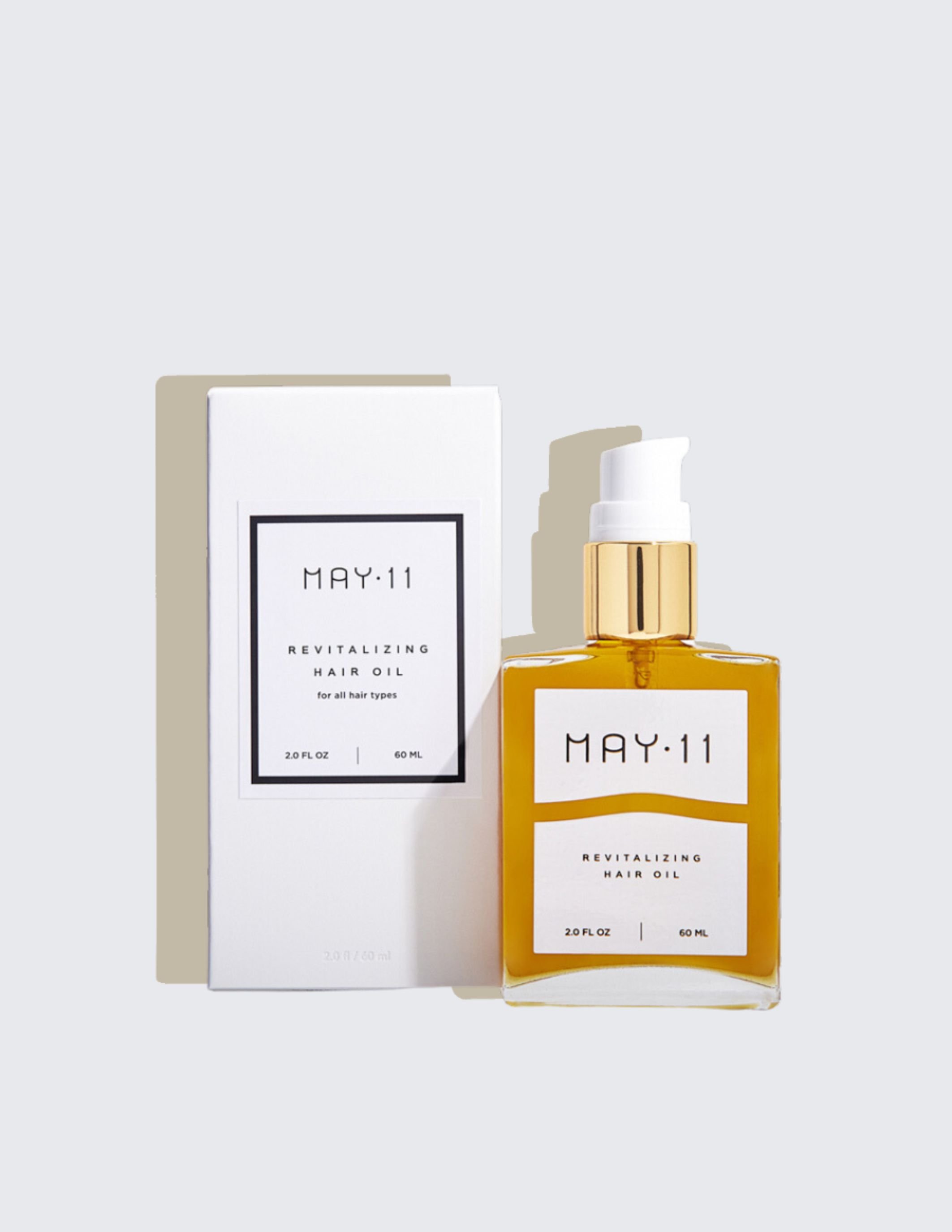

A revitalizing, multitasking, ultra-nourishing hair oil treatment designed to restore the natural health and beauty of all hair types and textures. Formulated with 100% pure, vegan, organic carrier oils.
This high-performing blend is enriched with the dynamic duo of Jamaican Black Castor Oil and Hemp Seed Oil, working wonders to promote healthy hair growth. The oil treatment acts as a cure-all remedy, strengthening, moisturizing, and brightening your luscious strands. Our patented formula goes beyond ordinary oils by providing a protective shield against UV rays, harsh climates, and the damaging effects of chlorinated or salty water, thanks to its natural SPF and sealing properties.
BENEFITS
Restores lifeless hair with vitamins and minerals
Repairs weakened hair through vegetable protein moisture
Magnifies hair shine and elasticity
SIGNATURE SCENT
Experience the all-natural allure of Neroli Essential Oil, a blossom scented-aroma that combines vibrant floral and citrus notes. Scented with certified organic essential oil.
Our Revitalizing Hair Oil is also available Infused in the Original formula and Fragrance-Free.
Patented Formula. US 10,493,019 B1
FREE US Shipping on orders $160+